If your weekly grocery receipt seems longer than it used to be for the same few bags of food, you're not imagining it. The U.S. Department of Agriculture expects food-at-home prices to rise another 2.3% in 2026, with fresh vegetables forecast to climb 5.8% and beef and veal 8.7% (USDA Economic Research Service).
That has a lot of families looking at the patch of lawn behind the house a little differently. Can a backyard garden really take a bite out of the grocery bill, or is it a hobby that costs more than it saves?
It depends on what you grow, how you plan, and how you count your time. Here's what the research shows, and how to set up a small garden that actually earns its keep.
What the numbers say about home gardens
Researchers have tried to put a dollar figure on home vegetable gardens more than once. A review published in the Journal of Extension pulled together data from 11 gardens in six U.S. locations, from Florida to Oregon. On average, gardeners spent $237 on supplies and harvested produce worth $916 at store prices. That works out to a net gain of about $678 for the season.
There's a catch. Those same gardens took an average of 71 hours of work. When the researchers put a market wage on that labor, the average garden came out slightly in the red.
Kansas State University reached a similar conclusion in its 2020 guide to the costs and benefits of home gardening. Typical gardens produced between $180 and $1,300 worth of food above the cost of materials, and much less once labor was counted.
So a garden is not free money. But if you enjoy the time outside, or count it as exercise rather than a second job, the math starts to look good. Plenty of households agree: the National Gardening Association reported that 41% of U.S. households grew some of their own food in 2021 (survey coverage).
Why some gardens save money and others don't
The gap between a garden that pays and one that doesn't usually comes down to a few decisions made before the first seed goes in.
Grow what's expensive to buy
Kansas State's review found that tomatoes, leafy greens, peas, strawberries, squash and eggplant were among the most valuable crops for home gardeners. They cost a lot per pound at the store, produce heavily in a small space, and taste noticeably better picked ripe. Potatoes and dry onions, by contrast, are cheap to buy and take up a lot of room.
Start smaller than you think
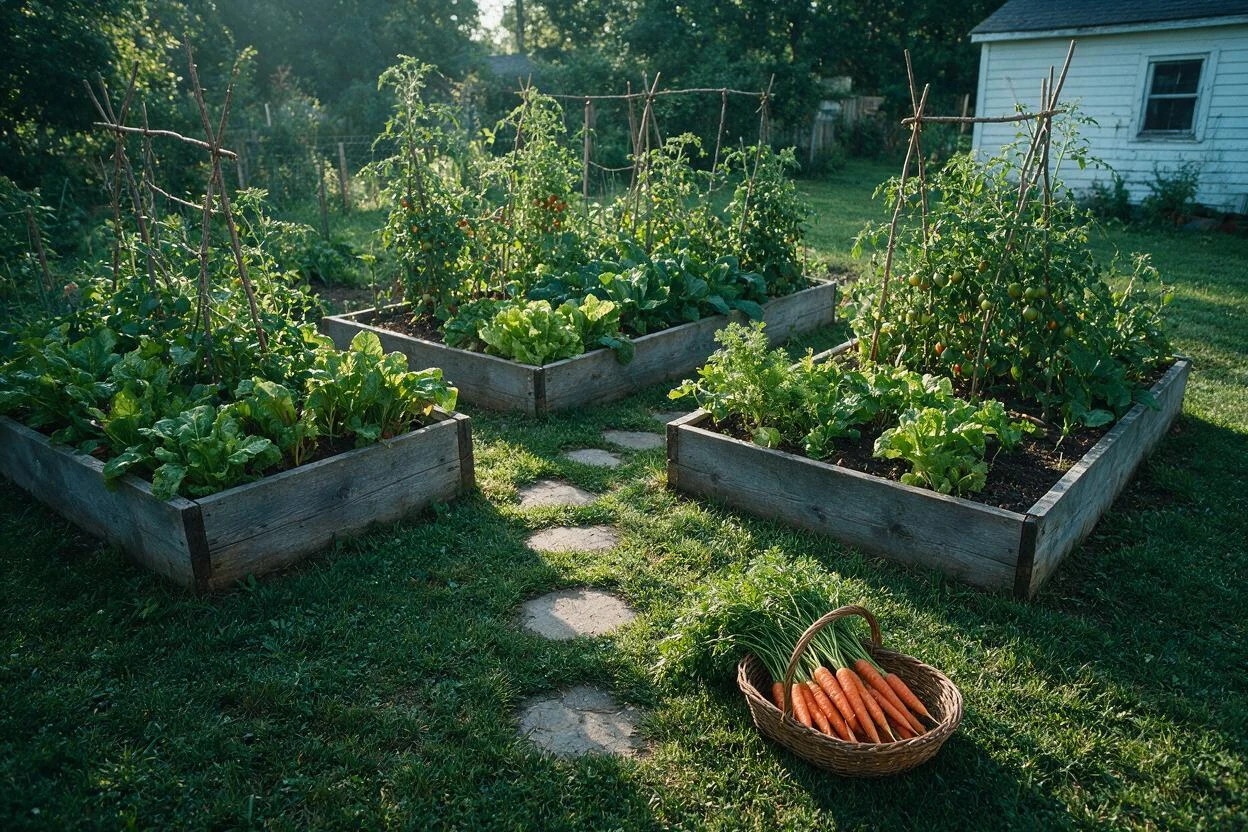
A well-tended small bed usually beats a neglected large plot. Weeds, pests and missed harvests eat into your return fast. Two or three raised beds you can water and check every day are a better first year than a big plot you visit on weekends.
Keep startup costs in proportion
Lumber, soil, fencing and tools can swallow a first season's savings. Reuse what you have, build simple beds, and buy long-lasting tools once. When you tally your results, spread the cost of things that last several years over those years.
Plan for the whole season, not just spring
Many gardens produce one big flush in midsummer and then very little. Planting in small batches every few weeks, adding cool-season crops for spring and fall, and storing what you can't eat right away all stretch the value of the same space.
A simple plan for your first season
- Pick your sunniest spot. Most fruiting vegetables, like tomatoes and squash, need full sun for most of the day.
- Start with good soil. Test your soil through your local extension office, or fill raised beds with a quality mix.
- Choose five or six crops your family already buys every week. If nobody eats kale, don't grow kale.
- Track your harvest. Weigh what you pick and note what the same amount would cost at your store. After one season you'll know exactly what's worth growing again.
- Decide what happens to extra produce before it arrives. Share it, preserve it, or store it. Food that rots on the counter is money lost.
That's enough to get a productive garden going. Where many people get stuck is the next stage: planning a bigger space, rotating crops from year to year, and keeping food through the winter.
Going further: a guide built around a small homestead
One resource that pulls these pieces together is The Self-Sufficient Backyard, a book by Ron and Johanna, who say they have lived off the grid and produced much of their own food for about 40 years.
According to the publisher, the book covers:
- Laying out your land and rotating crops
- A sample quarter-acre plan the authors used for a family of four
- Seed saving, so you buy fewer seeds each year
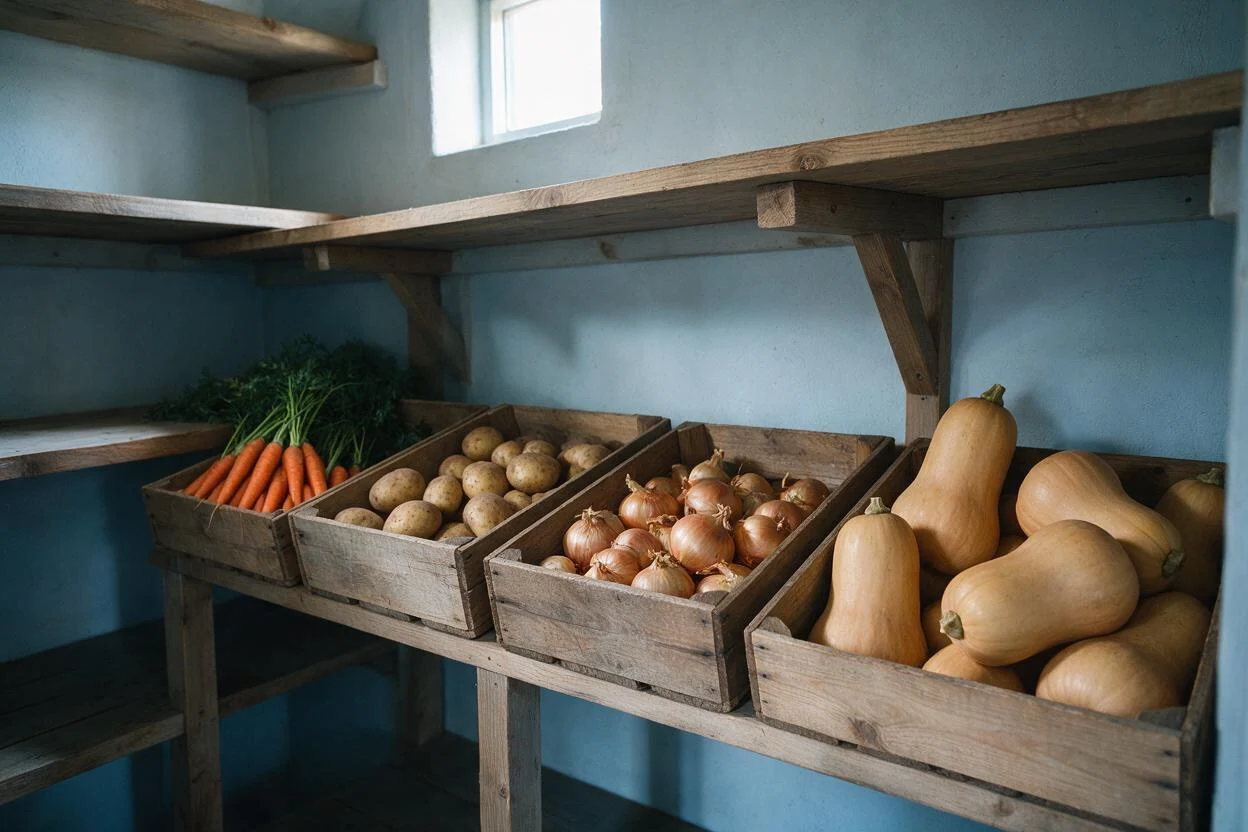
- Root cellars and smokehouses for storing food without refrigeration
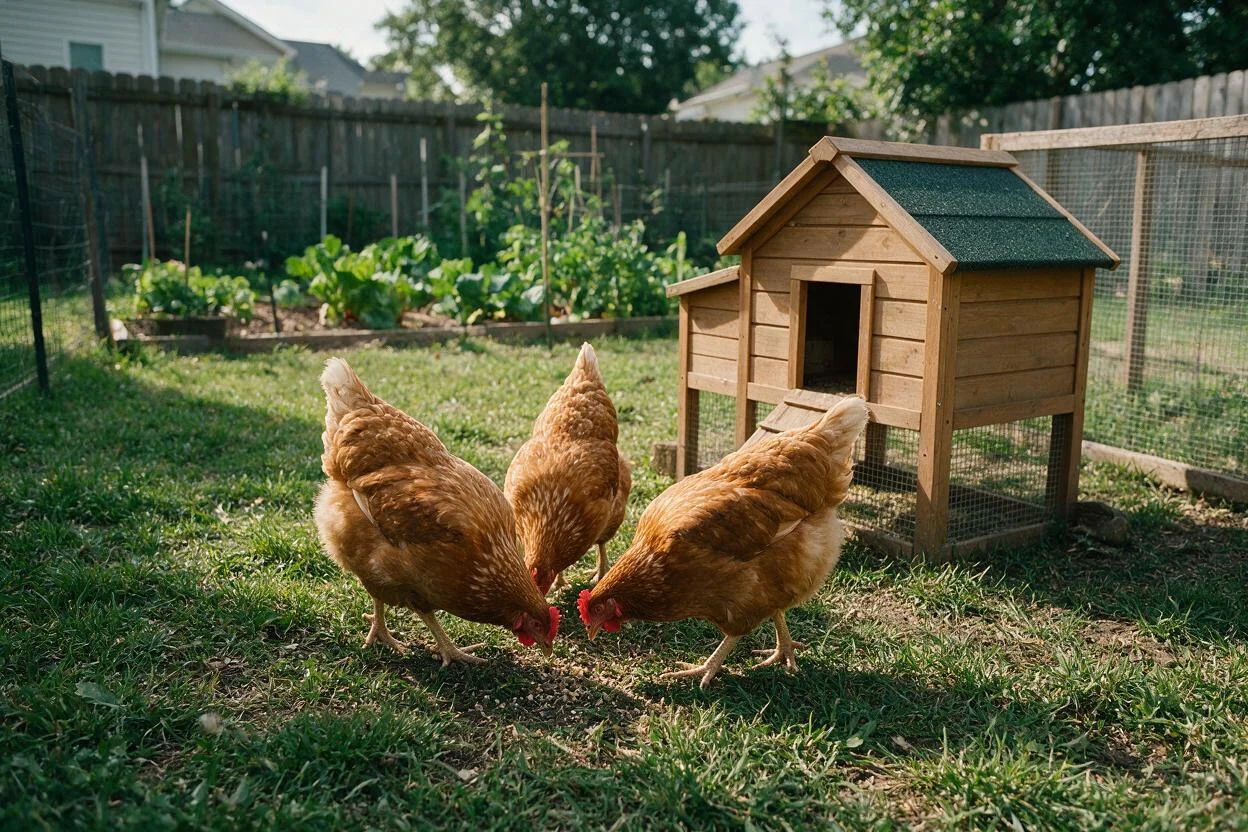
- Rainwater catchment, greenhouses, small animals and beekeeping
- Off-grid power projects
The current offer also includes three bonus guides: The Aquaponic Gardener, DIY Projects from the 1900s and Where Free Land Can Still Be Found in the US.
This is a how-to book, not a done-for-you system. A quarter-acre plan won't fit every yard, and you'll need to adapt it to your climate, local rules and the time you actually have. Bigger projects, like a greenhouse or a root cellar, take real work and some money up front. If you only want a few tomato plants on the patio, a free extension guide may be all you need.
Where a guide like this earns its place is for people who want to go past a few beds and build a backyard that grows, stores and replaces more of what they buy, one project at a time.
Plan a garden around what you eat
A backyard garden won't erase your grocery bill, and anyone who promises that is overselling. But published studies suggest a well-planned garden can return several hundred dollars' worth of food in a season, more if you focus on high-value crops and don't let the harvest go to waste. Add better-tasting food, time outdoors and a little more control over what your family eats, and it's easy to see why so many households are digging in.
Start small, track what you grow, and expand what works. If you'd like a full roadmap for growing, storing and stretching what your backyard produces, the guide is worth a look.
Results vary with climate, soil, space, experience and time invested. Dollar figures above are averages from published studies, not guaranteed savings.
Sources & further reading
- USDA Economic Research Service, Food Price Outlook: Summary Findings (updated Oct 23, 2026)
- Journal of Extension, "What Are the Economic Costs and Benefits of Home Vegetable Gardens?" (April 2014, Vol. 52, No. 2)
- Kansas State University, "Gardening 9-1-1: Costs and Benefits of Home Gardening," MF3538 (July 2020)
- National Gardening Association survey, 2021 data, as reported by FOX 9 (Apr 15, 2022)
- Product details: Self-Sufficient Backyard FAQ (publisher claims; ordering is handled by Digistore24)
Published by Simple Strong Living. Questions or a correction? Get in touch.